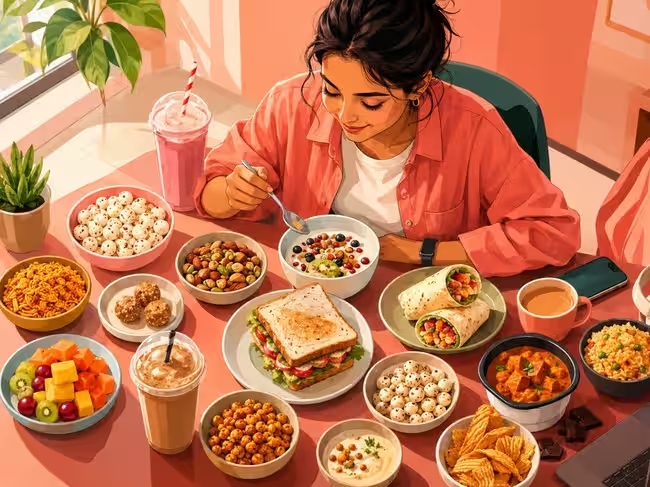
The long-standing ritual of the strict three-meal day is quietly eroding across urban India, giving way to a culture of continuous grazing and functional mini-meals. Driven by fast-paced lifestyles, rising disposable incomes, and the hyper-convenience of quick commerce, India’s packaged snacking market is marching toward an unprecedented ₹1 lakh crore valuation as consumers redefine how, when, and why they eat.
The structural transition reflects a profound shift in consumer psychology. Where snacks were once viewed strictly as occasional indulgences or evening tea accompaniments, modern urban professionals and Gen Z cohorts increasingly treat them as meal replacements. Breakfast on the go, midday desk bites, and post-workout fuel have blurred the lines between core meals and casual snacks, creating sustained demand throughout the day.
This behavioral pivot has fundamentally altered the product landscape. While deep-fried, salt-heavy namkeens and standard potato crisps maintain a massive volume base across mass markets, value growth is decisively driven by health, protein enrichment, and functional claims. Roasted seed mixes, extruded grain puffs, baked chips, millet-based savories, and high-protein nut clusters are rapidly displacing empty-calorie alternatives in urban shopping baskets. Consumers increasingly demand that an on-the-go snack deliver tangible nutritional returns—whether through sustained satiety, digestive wellness, or clean macro profiles.
Crucially, the rapid expansion of quick-commerce platforms has acted as an accelerant. Instant 10-to-15-minute delivery formats have eliminated traditional weekly pantry planning for snacks, turning impulse cravings into immediate fulfillment. This operational speed allows emerging direct-to-consumer health brands to test innovative flavor profiles, launch localized trial packs, and achieve rapid brand trial alongside legacy food giants.
To defend their territory, established FMCG conglomerates are accelerating portfolio overhauls through strategic acquisitions, clean-label reformulations, and dedicated healthy-snacking sub-brands. As functional snacking transforms from an affluent urban trend into a mainstream retail staple, the companies capable of balancing clean nutrition, regional taste palettes, and lightning-fast distribution are set to capture the lion’s share of India’s burgeoning snack economy.